Tel: +86-579-87076860
Mob: +8613575974240
Email: wind@yklance.com
Email: sales01@yklance.com
Add: No. 20 Pioneer Road, Zhiying Town,Yongkang City, Jinhua, Zhejiang Province, China. 321300.
How to Keep Your Glass Water Bottle from Breaking
As a leading glass bottle producer, we get a lot of customer questions about how to prevent glass water bottles from accidentally breaking. While glass is inherently durable, there are tips to reduce the risk of chips, cracks, and shattered bottles. In this comprehensive guide, we’ll share expert insights on caring for your glass water bottles to enjoy them safely for the long haul. Let’s explore how proper use and care help your glass bottles withstand daily wear and tear!
Understand Glass Strength Factors
To start, it helps to understand what makes glass strong and resistant to breaking:
- Temperature tempering - Heating then rapidly cooling glass creates internal compressive stresses that strengthen it against cracks and impact. Tempered glass is 4-5 times stronger.
- Composition - Adding compounds like borosilicate makes the glass more temperature and shock resistant. Standard soda-lime glass is still durable if tempered.
- Quality manufacturing - Consistent thickness, smooth seams, even cooling, and absence of defects ensure robust glass.
- Coatings - Polymer or metallic exterior coatings help reduce surface damage like scratches that compromise glass strength.
- Geometry - Shape factors like wall thickness, bottom curvature, and structural ribs enhance mechanical resilience.
When sourcing glass bottles, look for indicators of optimized materials, tempering, and processing quality to maximize inherent durability.
Daily Handling Tips
How you physically handle glass bottles plays a major role in preventing damage over time:
- Set down gently - Avoid direct knocks against hard surfaces which can nick or abrade. Clear space before setting down.
- Avoid drops - Drops onto hard floors or counters stress glass quickly. Use protective carry pouches or sleeves to reduce drop risk.
- Limit direct impacts - Knocks with other hard objects causes point fractures. Keep bottles cushioned during transport.
- Spread force - When squeezing to create pressure inside the bottle, apply even force across walls to avoid concentrated stress points.
- Hand wash - Dishwasher high heat and spray pressure degrades glass over repeated use.
- Inspect often - Watch for cracks radiating from chips/scratches which compromise integrity. Retire the bottle if cracks are present.
With careful handling habits, you can keep bottles damage-free even with frequent use. Be mindful of shock points and abrasive surfaces.
Travel and Storage Considerations
How and where you store bottles also affects breakage risks:
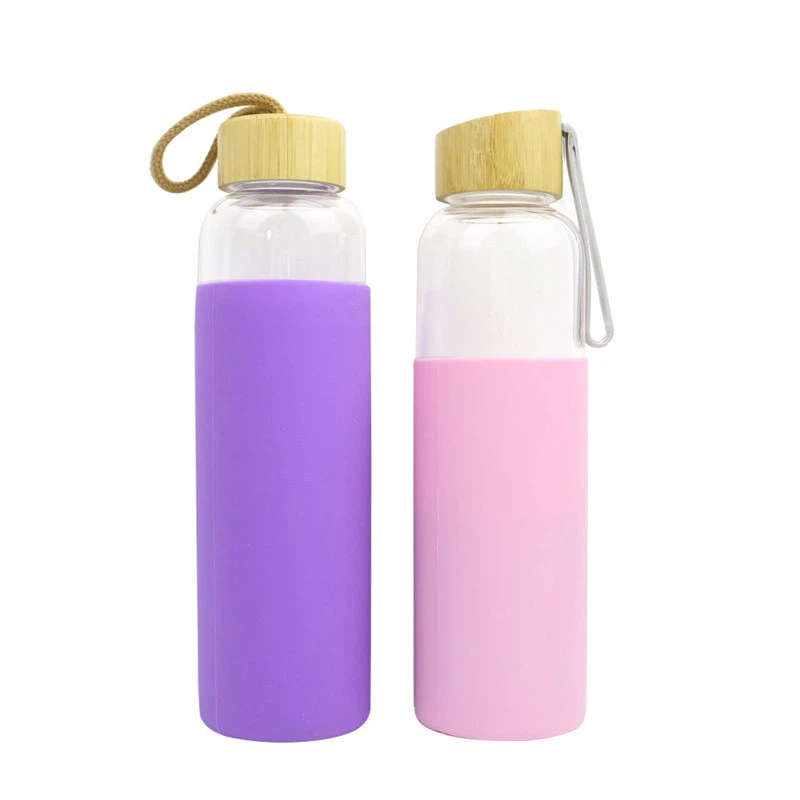
- Protective case - Use padding like neoprene sleeves, bags, or hard cases during transport to prevent exterior damage.
- Isolate contents - Avoid direct contact with other items that could transmit force. Separate compartments are ideal.
- Limit free movement - Immobilize the bottle to avoid collisions with other objects when the bag or case is in motion.
- Secure upright – Lay bottles horizontally only if securely packed to prevent rolling. Vertical orientation is safest.
- Constant conditions - Keep bottles away from windows or temperature extremes that could induce thermal shock breakage.
- Room to dry - Glass needs open ventilation for moisture to fully evaporate after cleaning to prevent weakening interior stresses.
Purposeful care during storage and transport lowers the chance of unintended damage over time.
Avoid Cleaning Pitfalls
Certain cleaning approaches can secretly weaken the glass and cause breaks:
- Dishwasher cycles - Repeated dishwasher heat and spray pressure fatigues glass over time. Hand wash only.
- Harsh scrubbing - Firm scrubbing with abrasives creates micro-scratches making glass prone to cracking. Use a soft brush and sponge.
- Soaking too long - Extended soaking in acidic cleaners leeches glass components causing structural imbalance. Limit to minutes, not hours.
- Freezing temperatures - Water expands as it freezes and can cause fractures in rigid glass. Avoid freezing bottled liquid.
- Degraded exterior - Harsh cleaning of painted or coated exteriors deteriorates the protective layer. Use only recommended cleaners.
While cleaning is essential, take care to avoid undermining glass integrity through overzealous methods. Mild is better.
Mitigate Thermal Shock
Extreme temperature swings weaken glass via rapid expansion and contraction. Follow these tips:
- Pre-heat or cool before use - If filling hot liquid or ice into a room temperature bottle, allow the glass to gradually adjust to avoid sudden shock.
- No direct heating - Don’t place glass bottles directly on stovetops or in microwaves. Transfer hot contents carefully to the bottle.
- Insulate temperature changes - If going from freezer to heated liquid, wrap the bottle in a towel or submerge the bottom half to make the transition gradual.
- Limit rapid chilling - Adding ice cubes or cold liquid to hot glass causes damage. Let the glass fully reset to room temperature before chilling the contents.
- Check for hairline cracks - Do a visual inspection after any major temperature swing. Micro-fractures compromise safety even if no immediate break.
With smart strategies, glass can adapt to wide temperature ranges without issue. Just avoid directly imposing extremes.
Pick Durable Glassware
Choosing glass bottles designed for durability also prevents breaks:
- Annealing - Proper cooling after shaping glass releases internal stresses. Avoid cheap glass that skips this vital manufacturing step.
- Thermal shock resistant - Borosilicate glass contains extra compounds like boron to make it more resilient against rapid temperature changes.
- Tempered glassware - Specialized heat treatment creates sturdy compressive stresses in finished glass products. Often advertised as “fully tempered.”
- Thickness - Thicker glass withstands force better. Approx. 4mm walls offer good commercial-grade robustness.
- Trusted brand reputation - Well-known glassware brands adhere to safety testing and quality protocols to ensure proper production.
- Certifications - Look for tested claims like “lab-grade durability” or bodies like ASTM that validate strength.
For demanding uses, invest in a quality glass designed to perform safely through daily wear and tear. Cheap glass fails fast.
Avoiding Common Break Causes
To recap, follow these rules of thumb to prevent most glass breaks:
- Handle with care - Pick up, set down, transport, and store bottles gently. Protect from direct impacts.
- Wash by hand - Dishwasher machines degrade glass slowly over time, eventually causing cracks.
- Pre-heat glass before hot filling - Graduate temperature changes to prevent thermal shock. Never microwave bottles.
- Fully dry after washing - Trapped moisture and condensation hasten weakening glass components.
- Inspect closely - Watch for cracks, chips, dents, abrasions, or scratches that compromise strength. Retire bottle if any present.
- Choose quality glass - Seek bottles made from durable materials, tempering, and trusted manufacturing.
- Use protective accessories - Sleeves, cases, wraps, and padding during transport prevent damage.
By being mindful of handling, cleaning, storage, and manufacturing factors, your daily glass water bottles can enjoy a long, safe service life! Let us know if any other glass breakage questions arise.
Preserving Glass Bottle Integrity
We hope these tips give you confidence in sustainably using glass water bottles for years while also avoiding untimely breaks. Glass is naturally strong yet also sensitive to accumulated damage when not handled with care. Be attentive and avoid compromising practices. With our guidance, you can become a glass longevity expert! Please reach out to us anytime for assistance caring for and preserving your glassware in daily use.


Contact Us

Tel: +86-579-87076860
Mob: +8613575974240
Email: wind@yklance.com
Email: sales01@yklance.com
Add: No. 20 Pioneer Road, Zhiying Town,Yongkang City, Jinhua, Zhejiang Province, China. 321300.