Are there any differences in the weight of cups and mugs?
As a supplier of cups and mugs, I've often been asked about the differences in the weight of these two popular drinkware items. It's a question that might seem simple at first glance, but it actually delves into various aspects such as materials, design, and intended use. In this blog, I'll explore the factors that contribute to the weight differences between cups and mugs and how these differences can impact their functionality and appeal.
Materials Matter
One of the primary factors influencing the weight of cups and mugs is the material from which they are made. Different materials have distinct densities, which directly affect the overall weight of the product.
Ceramic: Ceramic cups and mugs are a classic choice, known for their durability and ability to retain heat. They are typically heavier than their counterparts made from other materials. The density of ceramic is relatively high, and the thickness of the walls also contributes to the weight. A standard ceramic coffee mug can weigh anywhere from 300 to 500 grams, depending on its size and design. The weight of a ceramic cup gives it a substantial feel in the hand, which some people find comforting. However, it can also make it less portable, especially if you're on the go.
Glass: Glass cups and mugs are another popular option, valued for their transparency and aesthetic appeal. The weight of glass drinkware can vary widely depending on the type of glass used. For example, a thin-walled glass cup might weigh around 150 - 200 grams, while a thicker, more substantial glass mug could weigh up to 350 grams. Glass is generally lighter than ceramic, but it can be more fragile. The weight of a glass cup or mug can also affect its balance and stability, especially when filled with liquid.
Plastic: Plastic cups and mugs are lightweight and often used for their portability and affordability. They can be made from a variety of plastics, each with its own density. A typical plastic cup might weigh as little as 20 - 50 grams, making it extremely easy to carry around. Plastic mugs, especially those designed for travel, are also lightweight, usually weighing between 100 - 200 grams. The light weight of plastic drinkware makes it a great choice for outdoor activities, picnics, and parties. However, some people may find that plastic lacks the质感 of ceramic or glass.
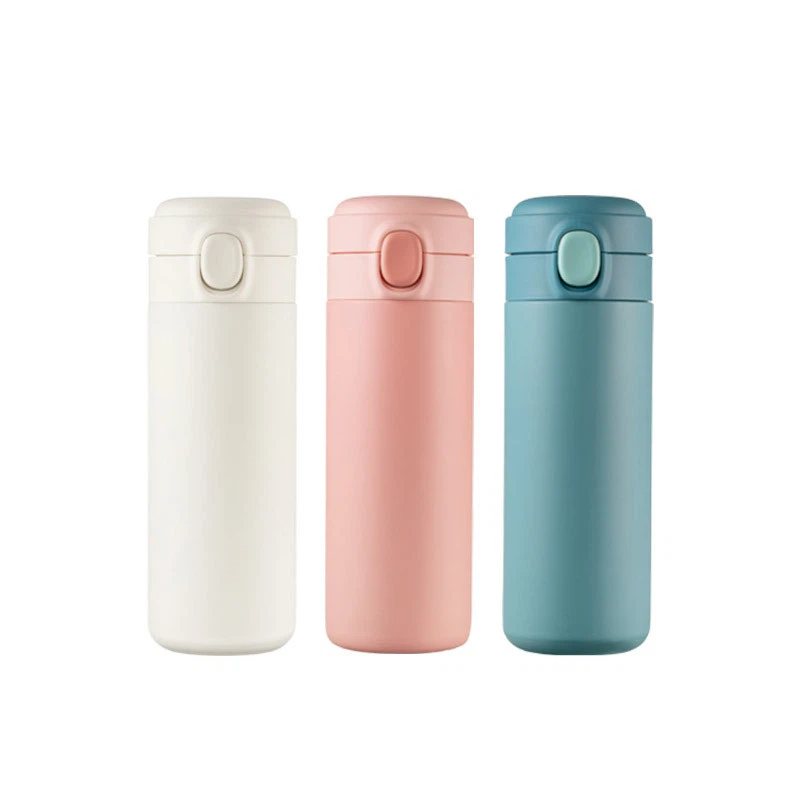
Stainless Steel: Stainless steel cups and mugs are known for their durability and insulation properties. They are heavier than plastic but lighter than ceramic. A stainless steel travel mug can weigh between 200 - 400 grams, depending on its size and construction. The weight of stainless steel gives it a sturdy feel, and it can withstand rough handling. Additionally, the insulation properties of stainless steel help keep drinks hot or cold for longer periods, making it a popular choice for commuters and travelers.
Design and Functionality
The design of a cup or mug can also have a significant impact on its weight. Cups and mugs come in a variety of shapes and sizes, each with its own unique features.
Size: Larger cups and mugs generally weigh more than smaller ones. This is because they require more material to construct. For example, a Large Capacity Mug with a capacity of 500 milliliters will weigh more than a standard 250 - milliliter cup. The increased volume also means that the drinkware will hold more liquid, adding to the overall weight when filled.
Handle: The presence of a handle can add to the weight of a cup or mug. Handles can be made from the same material as the main body or a different one, which can affect the overall weight. A well - designed handle should be comfortable to hold and not add too much extra weight. Some mugs have large, chunky handles, while others have small, delicate ones. The weight of the handle can vary depending on its size and thickness.
Insulation: Insulated cups and mugs are designed to keep drinks at a consistent temperature for longer periods. They often have a double - walled construction, which adds to the weight. For example, a Bamboo Travel Mug with insulation features will weigh more than a non - insulated bamboo mug. The additional layers of insulation help trap heat or cold, but they also increase the overall mass of the drinkware.


Impact on Consumer Preferences
The weight of cups and mugs can influence consumer preferences in several ways.
Portability: For people who are constantly on the move, portability is a key consideration. Lightweight cups and mugs, such as those made from plastic or stainless steel, are more likely to be chosen for travel and outdoor activities. On the other hand, if you're using a cup or mug at home or in the office, weight may be less of a concern, and you might prefer the heft of a ceramic or glass option.
Comfort: The weight of a cup or mug can affect how comfortable it is to hold. Some people prefer a heavier drinkware item because it gives them a sense of stability and control. Others may find that a lighter cup or mug is easier to handle, especially if they have limited hand strength. The balance and distribution of weight also play a role in comfort. A well - balanced cup or mug will feel more comfortable in the hand, regardless of its overall weight.
Aesthetics: In some cases, the weight of a cup or mug can contribute to its aesthetic appeal. A heavy, ceramic mug might be seen as more luxurious and high - quality, while a lightweight plastic cup might be associated with a more casual or disposable use. The weight can also affect the way a cup or mug looks on a table or in a display, adding to its visual impact.
Industry Applications
The differences in the weight of cups and mugs also have implications for various industries.
Food and Beverage: In the food and beverage industry, the weight of cups and mugs can affect the overall experience for customers. Restaurants and cafes may choose heavier, ceramic mugs for their coffee to give a sense of quality and luxury. On the other hand, fast - food chains and take - away establishments often use lightweight plastic cups for their convenience and cost - effectiveness.
Retail: Retailers need to consider the weight of cups and mugs when stocking their shelves. Heavier items may require more storage space and can be more expensive to ship. However, they may also command a higher price point due to their perceived quality. Lightweight items are easier to store and transport, but they may need to be priced more competitively to attract customers.
Promotional Products: Cups and mugs are popular promotional items. The weight of the drinkware can affect its suitability for different promotional campaigns. For example, a lightweight plastic cup might be a good choice for a give - away at a large event, while a heavier, branded stainless steel mug could be a more valuable gift for a corporate client.
Conclusion
In conclusion, there are indeed significant differences in the weight of cups and mugs, which are influenced by factors such as materials, design, and intended use. These differences can have a profound impact on consumer preferences, industry applications, and the overall functionality of the drinkware. As a supplier of cups and mugs, I understand the importance of offering a diverse range of products to meet the needs of different customers. Whether you're looking for a lightweight, portable option or a heavy, luxurious mug, we have a solution for you.
If you're interested in purchasing cups and mugs for your business or personal use, I encourage you to reach out to us. We can provide you with detailed information about our products, including their weight, materials, and features. Our team is ready to assist you in finding the perfect drinkware to suit your needs.
References
- "Materials Science for Engineers" - A textbook that provides in - depth information about the properties of different materials used in manufacturing.
- Industry reports on the food and beverage, retail, and promotional products sectors, which offer insights into consumer preferences and market trends related to cups and mugs.